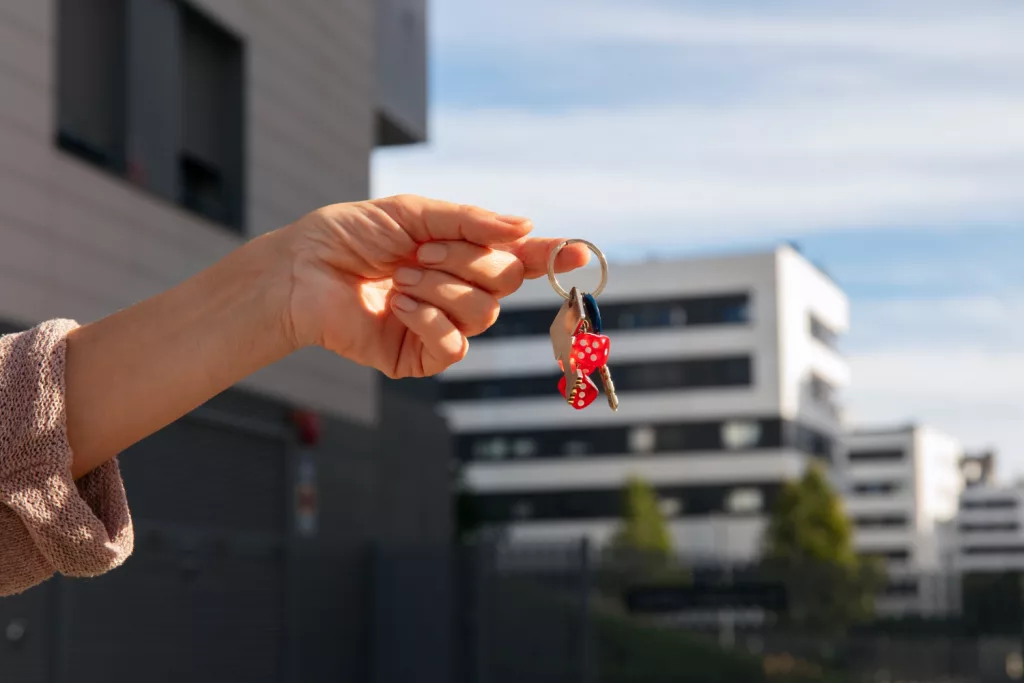
Apartments for Sale in Moscow, Russia
Moscow’s real estate market combines historic charm, modern luxury and a wide range of price points. Whether you’re buying a pied-à-terre in the city center, a family flat near good schools, or a new-build in the expanded New Moscow, informed decisions will save time and money. This guide gives you a practical overview, neighborhood highlights, buying steps, costs, and smart tips.
Quick market snapshot
— Moscow offers both premium central housing and more affordable options in outer districts and New Moscow.
— Proximity to the metro is a primary value driver; transport connections and school catchments strongly affect prices.
— New apartments are offered under modern developer contracts (with escrow accounts for many projects); second-hand (resale) apartments are common and often quicker to close.
Popular neighborhoods and what they offer
— Central / Historical core (Arbat, Tverskaya, Khamovniki, Patriarch Ponds): prestige, walkability, high prices, luxury renovations.
— Presnensky & Moscow-City: modern apartments, business infrastructure, high-rise living.
— Zamoskvorechye & Basmanny: boutique atmosphere, cultural amenities, mix of old and new buildings.
— Tagansky & Kitay-Gorod: central but more affordable than the elite core; good nightlife and transport.
— Sokolniki & Sokol: parks, family-friendly, good transport connections.
— Khamovniki & Khoroshyovo-Mnevniki: quiet, green areas with quality apartments.
— Kuntsevo, Fili-Davydkovo: western districts offering a balance of price and accessibility.
— New Moscow (Novaya Moskva): larger flats, more greenery, lower cost per m² but longer commutes to center.
Typical price factors
— Metro distance and line intersection (closer = higher).
— Building age and condition (new-build vs. Stalin-era vs. Khrushchyovka).
— Floor, layout, natural light, ceiling height.
— Renovation quality and furniture included.
— Legal clarity (clean title, absence of encumbrances).
— Supply-demand cycles and macroeconomic conditions.
Types of apartments for sale
— New-builds (novostroyki): buy via developer; often sold with escrow/escrow accounts for safety.
— Resale (vtorichka): privately owned — faster transfer but requires thorough due diligence.
— Studios, one- to multi-room apartments, and lofts; luxury penthouses in central high-rises.
Step-by-step buying process (general)
1. Define priorities: budget, district, size, floor, transport and schools.
2. Get pre-approved for a mortgage (if needed) to know your limit and strengthen offers.
3. Search listings on major portals (CIAN, Domofond, Avito, Yandex.Realty) and developer sites; work with a reputable local agent.
4. Visit properties; inspect condition, utilities, neighbors, and building services (ТСЖ/управляющая компания).
5. Ask seller/developer for documents: title deed, encumbrance information, cadastral passport, building permits, developer registration and escrow documents (for new builds).
6. Conduct legal due diligence (hire a lawyer to check title, past transactions and debts).
7. Negotiate price and terms; sign a reservation or preliminary agreement with deposit.
8. Finalize financing, complete payment and sign the purchase agreement: for resale — Договор купли-продажи (ДКП); for new-builds — ДДУ or escrow-based contract.
9. Register ownership at Rosreestr (state registration) and obtain keys.
10. Transfer utilities and update tax/registration details.
Costs and taxes to expect
— Purchase price.
— Agent fee (commonly 2–5% if you use an agent; negotiable).
— Notary and registration fees (moderate).
— Legal due diligence / lawyer fees.
— Mortgage arrangement fees and insurance (if applicable).
— Seller may be liable for capital gains tax; buyers usually cover agent and closing service costs depending on agreement.
— Ongoing: property tax, utility bills, maintenance/ТСЖ fees.
Financing and mortgages
— Mortgages are widely available in Russia; terms and down payment requirements vary by bank and borrower status.
— Foreigners can get mortgages in some banks, but conditions are stricter (higher down payment, limited product range).
— Consider fixed vs. variable rates, required insurance and early repayment terms.
— Pre-approval speeds up negotiations and increases seller confidence.
Risks and how to avoid them
— Title issues or legal encumbrances: always use a qualified lawyer and check Rosreestr records.
— Unfinished or problematic construction (for new-builds): verify developer reputation, project approvals, and escrow protections.
— Hidden debts (utilities, communal fees): request statements and seller guarantees.
— Poor layout or structural problems: inspect in person and hire a surveyor for older flats.
Negotiation tips
— Start with market comparables (recent sale prices nearby).
— Point out needed repairs or renovation as leverage.
— For new-builds, negotiate payment schedule, finishing standards and delivery dates.
— Keep some flexibility on closing terms (timing, minor concessions) to get a better price.
Practical checklist before signing
— Confirm seller’s identity and ownership documents.
— Request Rosreestr extract and cadastral documents.
— Check for mortgages/encumbrances and outstanding utility debts.
— Verify floor plan vs. registered square meters.
— Ensure all payments are recorded (bank transfers, receipts).
— Agree on who pays agent/notary fees and closing costs in writing.
Working with professionals
— Real estate agent: helps find listings and negotiate — choose one with strong local references.
— Lawyer/notary: essential for document checks and safe contract drafting.
— Mortgage broker: