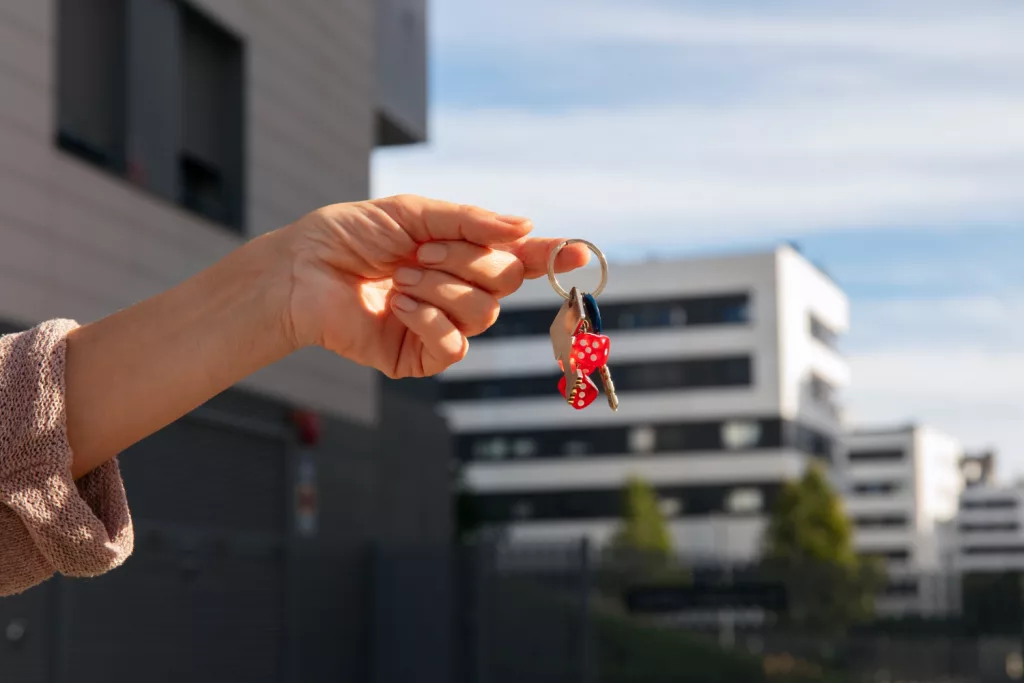
Apartments for Sale in Moscow, Russia
Moscow is a vast and diverse real-estate market: from historic apartments near the Kremlin to modern novostroyki on the city outskirts. Whether you’re a first-time buyer, investor or relocating professional, this guide explains what to expect, how to choose the right neighborhood, and the practical steps to complete a safe purchase.
Market snapshot
— Moscow property is highly location-driven: central districts command a premium while outer zones are more affordable and offer more space.
— New developments (novostroyki) often include amenities and modern finishes; resale apartments offer character and sometimes quicker possession.
— Recent regulatory changes have increased buyer protection (e.g., escrow use in many new-build transactions), but due diligence remains essential.
Which neighborhoods to consider
— Central & Historic (Arbat, Tverskoy, Khamovniki, Ostozhenka, Patriarch Ponds): *high prestige, luxury pricing, proximity to cultural life and parks.*
— Garden Ring & Boulevard Ring: *excellent transport links and old Moscow architecture — popular with professionals who want centrality without the very highest premiums.*
— Moscow-City & Presnensky: *business district with many new high-rises — good for executives and investors targeting corporate rentals.*
— South-West and North-West: *family-friendly, reputable schools, green areas.*
— New Moscow / outskirts (Novaya Moskva, areas near MKAD): *larger apartments and modern complexes at lower per-m² prices — commute considerations apply.*
Types of apartments
— Studio and compact 1-bedroom: economical, high rental demand in central areas.
— 2–3 bedroom: popular for families; balance of space and price.
— Elite (elitnoe zhilye): premium finishes, concierge and security, often in historic or exclusive new projects.
— New-build vs resale: *new-builds* offer warranties and modern layouts; *resales* may be cheaper per square meter and closer to established infrastructure.
Step-by-step buying process (overview)
1. Define budget, desired area and apartment type.
2. Get pre-approved for a mortgage if needed — know your maximum loan amount and monthly payment.
3. Search listings with credible agents or portals; view multiple properties at different times of day.
4. Conduct legal and technical due diligence (see next section).
5. Negotiate price and terms. For new builds, review developer contracts carefully.
6. Sign the purchase agreement and register the transfer of title with Rosreestr (EGRN).
7. Finalize payment — for new-builds, escrow accounts are commonly used; for resales, notary-certified transactions and Rosreestr registration complete the deal.
8. Handover, meter readings, and utility registration.
Legal checks & documentation (must-do)
— Verify seller’s title in the Unified State Register of Real Estate (EGRN/Rosreestr).
— Confirm absence of encumbrances, mortgages, arrest or inheritance disputes.
— Check cadastral and technical passports, floor plans, and permitted use.
— For new buildings: confirm developer’s permits, foundation and construction documentation, and terms under Federal Law 214-FZ (buyer protection rules).
— Use a qualified real-estate lawyer to review contracts and represent you at registration.
— Foreign buyers: apartments are generally purchasable by non-residents, but check specifics (land purchase near borders is restricted). Use a lawyer to ensure compliance and proper ID/visa documentation.
Financing & taxes
— Mortgages are widely available from major Russian banks. Terms, down payment and interest rates vary — shop around.
— Consider mortgage pre-approval to strengthen your negotiating position.
— Taxes and fees to expect:
— Stamp duty/notary and Rosreestr registration fees (vary by transaction).
— Annual property tax (based on cadastral value).
— Capital gains tax may apply on future resale for certain sellers; buyers should account for ongoing taxes and utilities.
— Using escrow accounts for new builds is common and increases security: funds are released to the developer after completion or upon meeting specified milestones.
Practical viewing and negotiation tips
— Visit the apartment at multiple times (morning, evening, weekends) to assess noise, light and traffic.
— Check building condition: façade, roof, common areas, elevators, parking and security.
— Inspect plumbing, heating, electrical systems and ask for recent utility bills.
— For older buildings, confirm if there are planned major renovations or lift replacements (funding can mean extra charges).
— Use comparable sales in the area (comps) to justify your offer.
— Negotiate not just price but also closing timeline, included fixtures and repair credits.
Common pitfalls to avoid
— Skipping a lawyer-led title search.
— Relying solely on seller or agent statements without independent verification.
— Not checking for outstanding debts/utility arrears tied to the apartment.
— Overlooking building redevelopment plans or special assessments that could affect costs.
— Ignoring transport and infrastructure developments that will affect future value.
Working with professionals
— Real-estate agent: choose one with local experience and references; ensure agency agreement terms are clear.
— Lawyer: essential for document checks and Rosreestr registration.
— Appraiser: useful if using mortgage financing or verifying market value.
— Mortgage broker: saves time comparing offers from multiple banks.
— Notary: required for certain certified documents and often used in resale closings.
Quick checklist before signing
— Title status confirmed in EGRN.
— Seller identity and authority proven.
— No hidden encumbrances or debts.
— All floor plans and living space measurements verified.
— Clear agreement on what is included (appliances, furniture).
— Payment method (escrow, bank transfer, certified funds