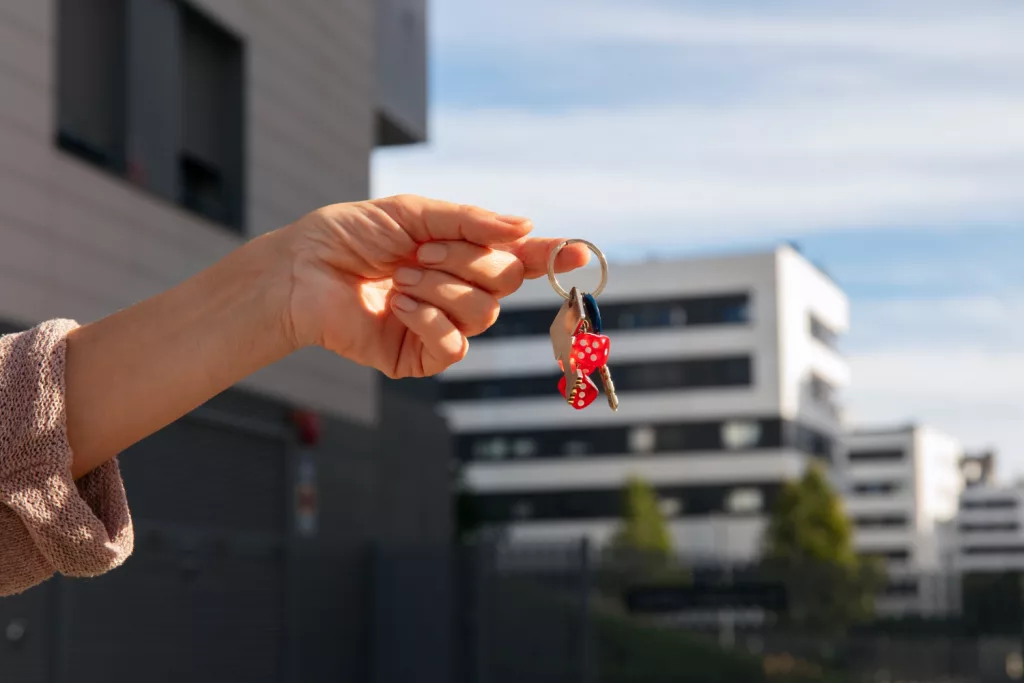
Apartments for Sale in Moscow: A Practical Guide
Moscow’s residential market is large, diverse and fast-moving. Whether you’re buying your first flat, selling a property, or investing for rental income, understanding local districts, legal steps and market drivers will help you make better decisions and get the best value.
Why buy in Moscow?
— Prime location and strong rental demand — especially near business centers, universities and transport hubs.
— Wide choice: historic apartments in the center, modern high-rises in business districts, affordable options in outer districts and New Moscow.
— Liquidity — Moscow real estate is among the most actively traded in the country.
Key factors that determine price and demand
— Metro access and commute time
— District and neighborhood prestige (central vs outer rings)
— Building class: pre-war, Soviet-era, panel/hotel buildings, new developments
— Apartment layout, floor, view and ceiling height
— Condition and renovation level
— Parking, courtyards, local infrastructure (schools, shops, parks)
— Legal clarity and cadastral status
Popular areas and what they offer
— Central districts (Arbat, Patriarch Ponds, Tverskoy, Khamovniki, Ostozhenka) — historic architecture, premium prices, top restaurants and cultural life.
— Presnensky / Moscow City — modern high-rises, corporate offices, popular for professionals.
— Zamoskvorechye / Danilovsky — trendy restaurants, cultural revival, good for long-term capital growth.
— Kuzminki / Ryazansky / South-Eastern districts — more affordable options, family-oriented infrastructure.
— New Moscow (Novomoskovsky, Troitsky) — larger new developments, modern amenities, attractive for families seeking space.
— Residential suburbs near major transport nodes — balanced price/commute trade-off for daily commuters.
Buying process — step by step
1. Define priorities: budget, district, size, transport links, school options, investment vs personal use.
2. Get mortgage pre-approval (if needed) — improves negotiating power.
3. Search listings on major portals and work with a trusted local agent to access off-market options.
4. View properties and check the building and apartment condition.
5. Request and verify documents (ownership title, seller ID, encumbrances, utilities debts, cadastral passport).
6. Negotiate price and terms; consider a preliminary agreement or reservation deposit.
7. Use secure payment methods — escrow accounts or notarized contracts are common safeguards.
8. Finalize sale with notarized deed and register ownership change at Rosreestr.
9. Transfer utilities and update addresses.
Legal and practical checks (must-do)
— Confirm seller’s identity and legal right to sell.
— Verify property is free from mortgages, liens, legal disputes and unpaid utility bills.
— Check cadastral and technical passports and floor plans.
— If buying new-build: confirm developer permits, readiness stage and completion act.
— Use a licensed real estate lawyer or notary for document review and to prepare contracts.
Mortgages and financing
— Russian banks offer mortgages for residents and, in many cases, non-residents — requirements and documentation vary.
— Typical steps: income verification, down payment, property appraisal, mortgage offer and insurance terms.
— Obtain pre-approval to understand your budget and strengthen offers.
Tips for sellers — maximize speed and price
— Price smartly: research comparable sales and set a competitive listing price.
— Stage and photograph: bright, decluttered, neutral décor and professional photos increase interest.
— Offer complete, accurate documentation from the start to avoid delays.
— Market widely: list on popular property portals, target social/digital channels and consider working with an experienced broker.
— Prepare for viewings and be ready to negotiate flexible terms (closing date, minor repairs).
For investors
— Decide short-term (short-term rentals) vs long-term leasing strategies; each targets different neighborhoods and yields.
— Factor in management costs, taxes, maintenance and vacancy risk.
— Central and business districts typically offer higher rental rates; suburban units can offer higher yield-to-price ratios.
— Always run a conservative cash-flow projection and consider currency and regulatory risk.
Practical tips and red flags
— Insist on seeing originals of ownership documents and the seller’s passport.
— Beware of unusually cheap listings or high-pressure sales tactics.
— Check for outstanding utility bills or disputes with co-owners/HOA.
— Validate that the property’s stated square footage matches the cadastral records.
Final advice
— Work with local professionals: an experienced real estate agent, a notary and a lawyer who know Moscow practice.
— Prioritize legal clarity over a seemingly low price — unresolved legal issues can cost far more later.
— Take time to compare neighborhoods and visit at different times of day to assess noise, traffic and local life.
If you’d like, I can:
— Summarize best neighborhoods by your budget and lifestyle, or
— Create a checklist of documents to request when viewing a Moscow apartment.
Which would you prefer?