Overview
Moscow’s residential market is diverse and dynamic — from historic apartments in central pre-war buildings to high-end new developments and large suburban complexes. Whether you’re a local buyer, investor, or foreign national, understanding neighborhoods, legal steps, financing and market realities will help you find the right apartment and complete the purchase safely.
Where to look: neighborhoods and segments
— *Central Moscow (Tverskoy, Arbat, Khamovniki, Presnensky, Ostozhenka)* — premium historic buildings, short walks to metro and cultural life; prices are highest, inventory limited.
— *Inner ring (Basmanny, Zamoskvorechye, Tagansky)* — a mix of renovated older stock and boutique new projects; good for convenience and character.
— *Outer districts and New Moscow* — larger new-build projects, modern infrastructure, better value per square meter but longer commutes.
— *Suburbs and satellite cities (Khimki, Odintsovo, Krasnogorsk)* — family-friendly, often cheaper per sqm and with suburban amenities.
— *New-builds (новостройка)* — attract buyers with warranties, modern layouts and amenities; pay attention to delivery timelines and developer reputation.
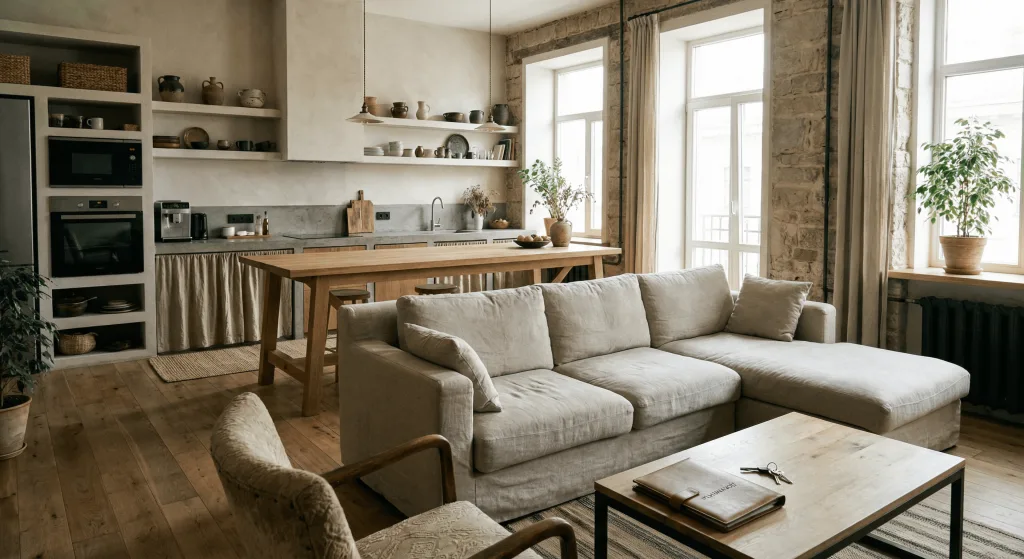
— *Secondary market (вторичка)* — immediate occupancy, diverse options (Stalin-era apartments, Khrushchyovkas, renovated flats).
Recommended portals and sources: CIAN, Yandex.Realty, Domofond, Avito, and direct developer sites.
Price expectations (practical frame)
— Prices vary dramatically by district, building type and condition. Expect central Moscow to be *several times* more expensive than peripheral districts.
— Small central studios can begin in the low tens of millions of rubles; luxury apartments and townhouses may reach into the hundreds of millions.
— Use up-to-date listings and local agents to get current per-sqm benchmarks — markets change fast, so rely on recent comparable sales.
Buying process — step by step
1. Define budget, preferred districts, and non-negotiables (metro distance, floor, layout).
2. Search and shortlist properties; book viewings.
3. Conduct preliminary due diligence on each property (see checklist below).
4. Negotiate price and terms; sign a preliminary agreement if needed and pay deposit.
5. Prepare required documents (IDs, proof of funds, power of attorney if applicable).
6. Conclude the main purchase agreement and register the transfer of rights with Rosreestr (state registration).
7. Pay the balance, state registration fee, and any closing costs.
8. Receive keys and sign acceptance protocol (акт приема-передачи); register utilities and update records.
Due diligence checklist (essential)
— Confirm seller’s identity and right to sell: check ownership in Rosreestr extract (выписка ЕГРН).
— Verify encumbrances: mortgages, arrests, or other restrictions.
— Check for co-owners, minors’ rights, inheritance disputes or power-of-attorney complications.
— Ensure the cadastral and technical descriptions match the physical layout (square meters, permitted use).
— Review building debts: outstanding utility bills, condominium (ТСЖ) arrears, planned repairs.
— For new-builds: verify developer licensing, escrow account or project financing scheme, and stage of construction.
— Engage a qualified real estate lawyer to review documents before signing.
Financing and mortgages
— Mortgages are available from major Russian banks (Sberbank, VTB, Gazprombank and others). Terms, rates and down-payment requirements vary by bank, property type and buyer profile.
— New-build purchases often use escrow accounts; developers may offer partnerships with banks for preferential mortgage conditions.
— If you’re