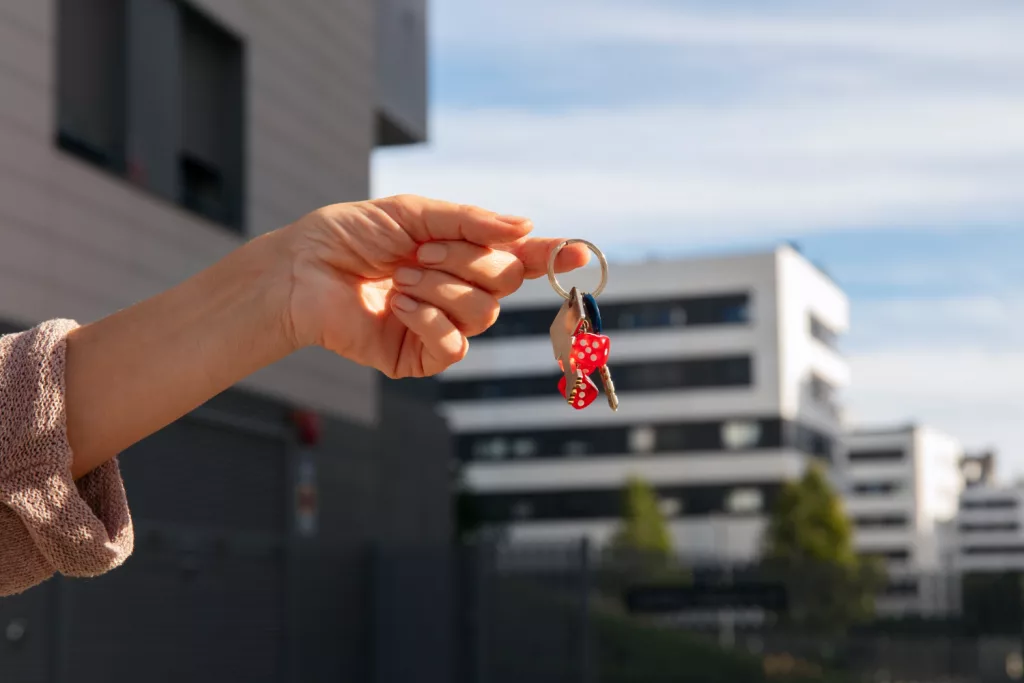
Apartments for Sale in Moscow, Russia
Buying an apartment in Moscow can be an excellent investment and a path to comfortable city living — but the market has its own rules. This guide walks you through the most important factors: neighborhoods, property types, legal checks, financing, negotiation tips and a simple checklist to move forward with confidence.
Quick market snapshot
— *Diverse stock*: from economy-class new builds on the outskirts to luxury flats in the city center.
— *Price drivers*: location, transport links, developer reputation, floor and view, and condition of the building.
— *Demand*: steady for central and well-connected areas; growing interest in new microdistricts and New Moscow (Novaya Moskva).
Which neighborhood should you consider?
— Central Administrative Okrug (Tverskoy, Arbat): premium prices, status, tourist demand for short lets.
— Western and North-Western Moscow (Krylatskoye, Kuntsevo, Strogino): family-friendly, parks, good transport.
— South and South-East (Lomonosovsky Prospekt vicinity, Nagatino): more affordable options and new projects.
— New Moscow (Troitsk, Novomoskovsky): more space and modern developments at lower cost per m², but longer commutes for some.
— Emerging hubs: areas near new metro lines or transport hubs often show faster price growth.
Types of apartments
— New-builds (*novostroyki*): buy directly from developers; consider developer reputation and construction timelines.
— Secondary market (*vtorichka*): immediate availability; pay attention to legal history and renovation needs.
— Elite/luxury flats: high-end amenities, concierge, secure garages, higher per-m² price.
— Studio vs multi-room: studios are easier to rent; multi-room apartments attract families and longer-term tenants.
Financing and costs
— Mortgages: widely available from Russian banks; typical down payment 10–30% depending on bank and borrower profile.
— Mortgage rates vary; compare offers and look for pre-approval.
— Additional costs to budget:
— State registration fee for property rights (small, fixed amount).
— Notary fees for certain transactions (if applicable).
— Realtor commission (typically 2–5%); negotiable.
— Repair/renovation and furnishing costs.
— Utility debt checks — unpaid bills become buyer’s headache if not resolved.
— For new builds: check escrow account options and protections under Federal Law 214-FZ (for residential construction contracts).
Legal checks — what to verify before buying
— EGRN extract (ЕГРН): current owner, encumbrances, mortgages, restrictions.
— Seller’s ID and right to sell; check power of attorney if someone else is selling.
— For secondary sales: old technical passports, floor plans, and any prior agreements.
— Debts and utilities: confirm there are no outstanding utility or maintenance debts attached to the unit.
— Building status: emergency housing list, planned demolition or major repairs.
— Developer documents for new builds: project permits, completion timelines, warranty terms.
— Use escrow accounts or notary-backed settlements for safer payment handling.
Practical viewing tips
— Visit at different times (rush hour, weekend) to assess noise and transport reliability.
— Check heating (radiator performance) and water pressure.
— Inspect windows, plumbing, electrical sockets, and smell for damp/mold.
— Ask about soundproofing, neighbors, and building management (ТСЖ or УК).
— Confirm apartment boundaries: balcony/loggia status, storage rooms, parking rights.
Negotiation and closing the deal
— Prepare comparable sales (comps) for your negotiations.
— For new builds: negotiate finishes, parking, or furniture packages where possible.
— Use an initial reservation agreement and then a purchase agreement. Ensure all payment terms and timelines are explicitly stated.
— Consider escrow accounts or bank guarantees for large sums.
— Final step: state registration of property rights at Rosreestr (Росреестр).
Renting out or reselling — ROI considerations
— Short-term rentals can yield higher returns in central areas but may face legal and management constraints.
— Long-term rentals are stable income in commuter-friendly neighborhoods and near universities or business centers.
— Factor in vacancy, management fees, taxes, and repair costs when estimating net yield.
Common pitfalls to avoid
— Skipping the EGRN and title checks.
— Ignoring utility and maintenance arrears.
— Overlooking building structural issues or legal restrictions.
— Relying solely on verbal promises — always get everything in writing.
Step-by-step buying checklist
1. Define budget, mortgage pre-approval if needed.
2. Choose preferred neighborhoods and property types.
3. Shortlist properties and schedule viewings.
4. Order EGRN extracts and verify documents.
5. Negotiate price and terms; draft reservation or preliminary agreement.
6. Use escrow/notary for secure payment.
7. Sign final sale contract and register ownership at Rosreestr.
8. Transfer utilities and management accounts; update tax records.
Quick FAQ
— Do foreigners buy property in Moscow? Yes — most foreigners can buy residential property in Russia, but check visa/residency rules and currency regulations.
— Are escrow accounts safe? Yes — they are commonly used for new builds and provide legal protection of funds.
— How long does registration take? Typically a few business days to a few weeks depending on paperwork and Rosreestr workload.
If you’d like, I can:
— Suggest neighborhoods based on your lifestyle (family, investment, commute).
— Draft a checklist tailored to a specific apartment listing.
— Provide a sample list of documents to request from a seller.
Which would you prefer next?