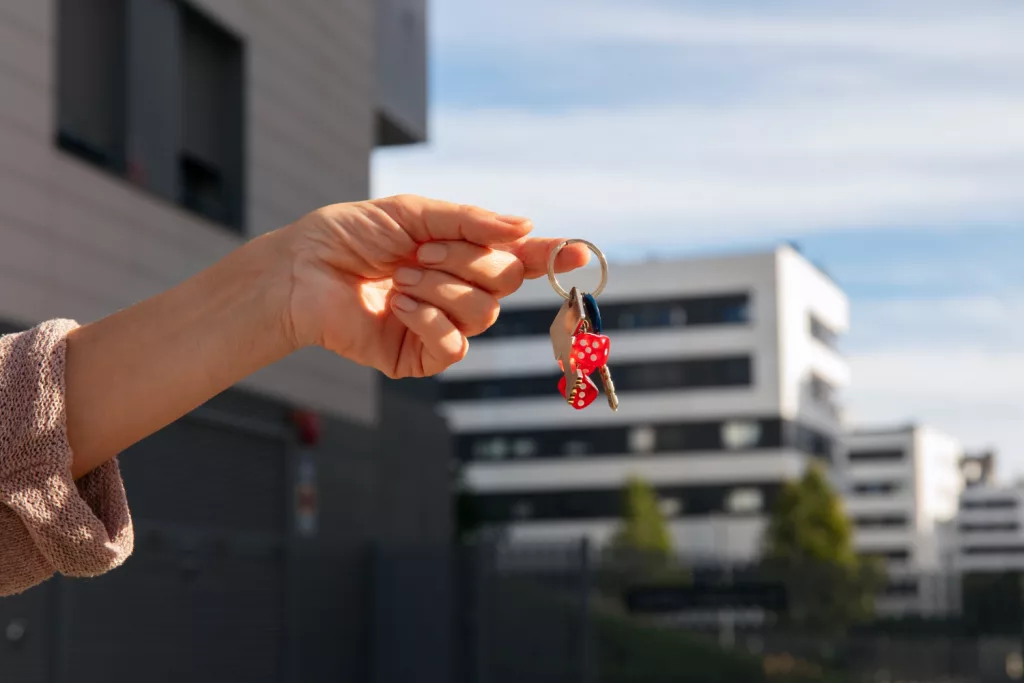
Apartments for Sale in Moscow, Russia — Quick Guide
Buying an apartment in Moscow is attractive for both end‑users and investors thanks to strong rental demand, diverse neighborhoods, and a wide choice of new developments and resale flats. This guide gives practical tips, neighborhood highlights, the buying process, and a checklist to help you move forward confidently.
Why buy in Moscow?
— Prime economic, cultural and transport hub of Russia with steady demand for housing.
— Large variety: historic apartments in central districts, modern comfort-class and business-class new builds, suburban options with more space.
— Good rental market for both short-term and long-term leases, especially near business centers and metro lines.
Top neighborhoods to consider
— Central/Prime
— *Arbat / Khamovniki / Ostozhenka / Presnensky*: historic streets, luxury apartments and high-end new builds. Strong prestige and rental potential.
— *Tverskoy*: close to theaters, offices and metro hubs — great for professional renters.
— Business & modern living
— *Moscow-City / Presnensky / Basmanny*: modern high-rise living, convenient for corporate tenants.
— Comfortable residential & expat-friendly
— *Sokolniki / Tagansky / Zamoskvorechye*: good mix of parks, amenities and connectivity.
— Suburban & family-oriented
— *New residential districts near metro lines and commuting routes*: larger flats, playgrounds, and better price per m².
— Emerging areas
— Peripheral and redeveloped industrial zones: lower price entry, potential for capital growth — assess infrastructure plans carefully.
What to expect on prices
— Prices vary dramatically by district, floor, age and condition. Central and prime districts are substantially more expensive per m² than outer districts.
— New developments often cost more per m² than average resale flats but offer modern layouts and warranties.
— Always compare price per square meter, transport accessibility (metro walking distance), and total monthly costs (maintenance, utilities).
Buying process — step by step
1. Define budget, preferred districts and non-negotiables (metro distance, floor, layout).
2. Search listings via reputable portals and agencies; view multiple properties.
3. Conduct property due diligence (see Legal Checks section).
4. Negotiate price and agree on terms; sign a preliminary agreement if needed and pay a deposit.
5. Prepare documents for registration; agree date for transfer of possession.
6. Complete sale via a notary or registration at Rosreestr (state registration of property rights).
7. Transfer funds through documented channels; ensure seller removes encumbrances and provides keys/cadastral documents.
Financing & typical costs
— Primary payment currency is Russian rubles (RUB).
— Mortgages are widely available for Russian residents; lenders’ requirements vary by bank. Foreign buyers may face stricter conditions — check current bank policies.
— Typical additional costs:
— Realtor commission (commonly 2–5% of sale price, negotiable).
— Notary services and state registration fees.
— Legal due‑diligence fees if you hire a lawyer.
— Final renovation, furniture and moving costs.
— Ongoing maintenance (HOA/management) and utilities.
Legal checks and risks — what to verify
— Ownership title: registered owner(s), full right to sell, and history of ownership transfers.
— Encumbrances and liens: mortgages, arrest orders, restrictions on sale.
— Cadastral registration: area and boundaries match the contract.
— Family consent: if seller is married, confirm necessary spouse consent where relevant.
— Debt checks: utility arrears, municipal debts or tax liens.
— Building status: if buying in a new development, confirm developer’s permits, completion certificates and regulatory approvals.
— For resale: verify the absence of eviction claims, unresolved inheritance or shared‑ownership disputes.
Always engage a local real estate lawyer or notary to review documents before signing or transferring funds.
Negotiation & viewing tips
— Visit at different times of day to judge noise, light and neighborhood activity.
— Check ingress/egress routes, proximity to the metro and planned infrastructure projects.
— For older properties, look for signs of damp, cracks, outdated wiring/plumbing and request recent maintenance reports.
— Ask for utility bills and HOA costs to estimate monthly expenses.
— Use a surveyor to assess structural and systems condition for high‑value purchases.
Renting or reselling later — investment considerations
— Proximity to metro, business centers and universities increases rental appeal.
— Short-term rentals may require additional licensing/registration — check local rules.
— Consider resale liquidity: small 1–2 room flats near transport hubs often sell and rent faster.
Practical checklist before closing
— Confirm seller identity and right to sell; photocopies of passports/IDs.
— Obtain original documents: title certificate, cadastral passport, certificate of no encumbrances.
— Sign a clearly worded sales contract stipulating price, payment schedule, handover date, and remedies for breach.
— Ensure funds transfer is traceable; avoid large cash deals without full documentation.
— Register the change of ownership with Rosreestr promptly after closing.
— Keep certified copies of all documents and receipts.
Final tips
— Work with an experienced local agent and an independent lawyer/notary.
— Don’t rush—Moscow market moves quickly, but careful checks prevent costly issues.
— Balance location, condition and long‑term goals (own use vs rental vs capital growth).
If you’d like, I can:
— Suggest neighborhoods that match your budget and lifestyle,
— Draft a viewing checklist tailored to apartments in Moscow,
— Or provide a sample list of questions to ask the seller/developer. Which would you prefer next?