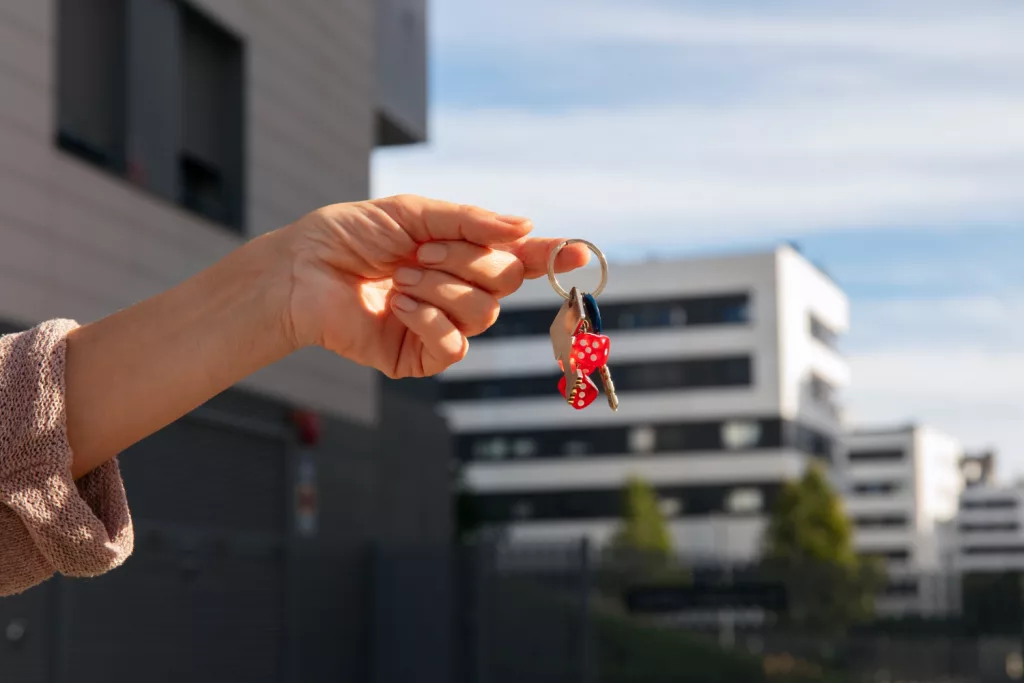
Apartments for Sale in Moscow, Russia
Moscow’s residential market is large, diverse and fast-moving — from historic apartments near the Kremlin to modern novostroyki in New Moscow and luxury flats in the Moscow-City complex. Whether you’re buying for personal use, rental income or long-term capital growth, understanding neighborhoods, legal steps and financing is essential.
Market snapshot
— Moscow remains Russia’s strongest residential market in terms of demand, liquidity and rental potential.
— Two main segments dominate: the central and near-center historical/prime market (high price per square meter, limited supply) and the suburbs/New Moscow new-build market (larger space for the money, modern infrastructure).
— New developments increasingly offer full-service amenities (concierge, courtyards, co-working, smart home features), while the secondary market is preferred for central, character-filled apartments.
Where to look — neighborhoods at a glance
— Central & prime: *Arbat, Patriarch Ponds, Khamovniki, Ostozhenka, Presnensky, Tverskoy, Zamoskvorechye*. Best for prestige, walking distance to cultural sites and premium rental demand.
— Business & skyline: *Moscow-City (Presnensky district)*. Modern high-rises, luxury finishes, strong short- and mid-term rental interest for executives.
— Comfortable near-center: *Tagansky, Sokolniki, Khamovniki fringe*. Good compromise between price and access.
— Western and northwest suburbs: *Krylatskoye, Kuntsevo, Strogino, Fili-Davydkovo*. Family-friendly, parks, better value per sq m.
— New Moscow (Troitsky & Novomoskovsky AO): more space, new master-planned projects, lower cost per sq m — requires checking commute times and planned infrastructure.
— Emerging pockets: look for areas near new metro extensions, transport hubs and business clusters.
Types of apartments
— Novostroyka (new-build) — developer contracts, warranties, mortgage promotions, elevator and amenities.
— Vtorichka (secondary market) — older or pre-owned flats, often central and with character; requires extra legal checks.
— Studios & compact flats — popular for single professionals and short-term rentals.
— Family apartments (2–4 rooms) — focus on schools, parks and transport.
— Penthouses and luxury apartments — premium finishes, security, concierge services.
Typical buyer considerations
— Proximity to metro: primary value driver in Moscow. Each additional walking minute to a station often affects price.
— Commute times and transport links: ring roads, major highways and transfer hubs matter for suburban buyers.
— Developer reputation and building permit status for new projects.
— Renovation and finishing costs (often substantial in secondary market purchases).
Financing & affordability (what to expect)
— Mortgages are widely available; banks offer different programs for new-builds and resale apartments.
— Typical down payments vary (often 10–20% or more depending on the product and borrower profile).
— Interest rates and lending conditions change with macroeconomics — compare offers across banks and consider developer or employer programs.
— Check for government-subsidized programs or family capital if relevant to your situation.
— Always request an amortization schedule and total cost of credit before committing.
Legal checklist (must-do items)
— Verify ownership and encumbrances via the Unified State Register of Real Estate (EGRN).
— Confirm seller identity and authority to sell (no disputes, marriage consent where required).
— For novostroyka: verify developer licenses, permits, escrow account use and project completion timelines.
— Check if the property includes registered tenants, easements, or court claims.
— Use a qualified real estate lawyer to draft/verify contracts and accompany registration at Rosreestr.
— Notarize powers of attorney when necessary and always obtain originals of documents.
Buying process — step by step
1. Define budget, location priorities and desired apartment type.
2. Search listings, visit properties, compare similar units.
3. Conduct preliminary legal check of the title and seller.
4. Negotiate price and terms (include deposit, payment schedule, penalties).
5. Sign purchase agreement (for new-build — reservation and share agreements are common).
6. Obtain mortgage approval (if needed) and finalize financing.
7. Complete full due diligence and sign the final sale contract with a notary where applicable.
8. Register ownership at Rosreestr and pay applicable taxes/fees.
9. Move in or commission finishing works and register utilities.
Common pitfalls to avoid
— Skipping a thorough title search — latent encumbrances can block registration.
— Underestimating renovation or HOA (TSJ) costs in older buildings.
— Ignoring transport or urban-planning projects that could affect commute or future value.
— Relying solely on verbal agreements with developers or sellers.
— Failing to check planned land use changes near the property (noise, new high-rises).
Investment considerations
— Rental demand is strongest in central districts, near universities and business centers.
— Long-term capital growth favors locations with limited supply and strong transport links.
— Short-term rental regulations and platform availability