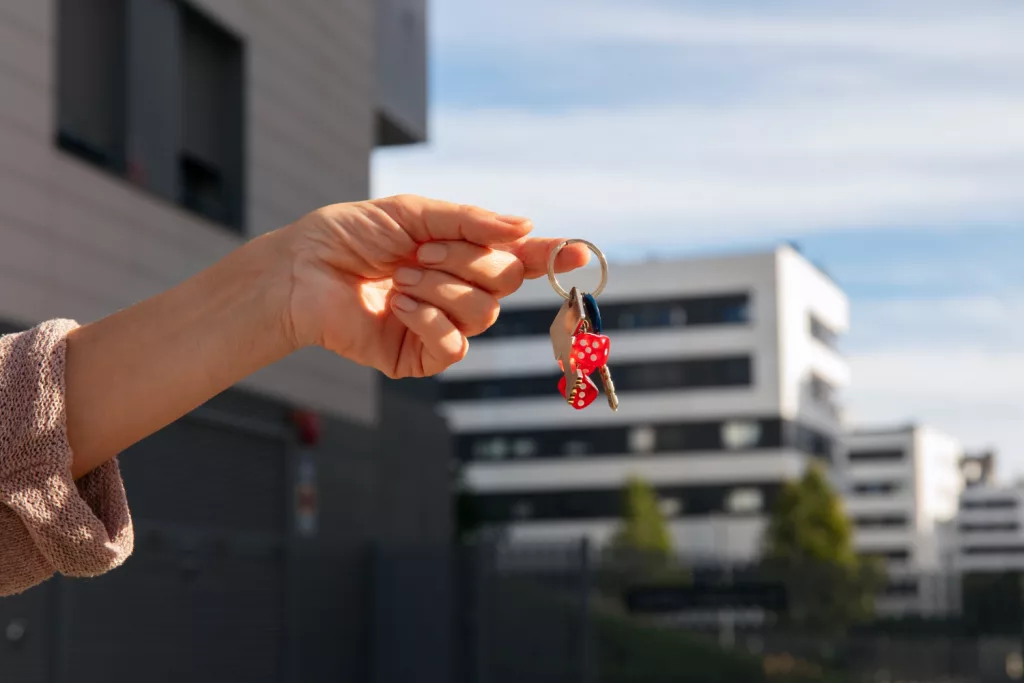
Apartments for Sale in Moscow: Your Practical Guide to Finding the Right Home
Moscow is a dynamic real estate market that combines historic charm, modern high-rises, and a wide range of neighborhoods to suit different lifestyles and budgets. Whether you’re buying your first apartment, upgrading to a larger place, or investing, this guide gives clear, actionable steps and smart tips to navigate the market confidently.
Quick market snapshot
— Demand is strongest in central districts and near major transport hubs.
— Options range from renovated pre-war apartments and Soviet-era blocks to luxury new developments and business-class towers.
— Prices and liquidity depend heavily on location, building class, floor, layout, and proximity to the metro.
Top neighborhoods to consider (by lifestyle)
— Central/Arbat/Tverskoy: *historic streets, cultural attractions, premium prices*
— Khamovniki/Ostozhenka/Patriarch Ponds: *upmarket, classic Moscow architecture, close to embassies and parks*
— Presnensky/International Business Center: *modern high-rises, business amenities, good for professionals*
— Zamoskvorechye/Bolshaya Bronnaya: *quieter historic areas with a village-like feel*
— New residential districts (southwest and southeast): *new builds, family-oriented, better value per square meter*
What affects price and value
— Metro access and transit time to the city center
— Floor level, view, and whether the apartment faces a courtyard or a busy street
— Layout: open-plan and functional layouts sell faster than awkward, fragmented spaces
— Building condition, utilities and maintenance costs (фонды капитального ремонта, управляющая компания)
— Legal status and clarity of ownership documents
How to search effectively
— Use major portals: CIAN, Domofond, Yandex.Nedvizhimost, local agencies’ listings
— Filter by metro line and travel time rather than radius alone
— Request floor plans, recent photos, and the certificate of ownership (выписка из ЕГРН) early on
— Visit at different times of day to assess noise, light, and neighborhood activity
Step-by-step buying process (typical)
1. Define budget, desired area, and non-negotiables (metro access, school district, floor).
2. Get pre-approved for a mortgage (if needed) — *pre-approval improves negotiating power*.
3. Shortlist properties and schedule viewings. Take photos and notes.
4. Order an extract from the Unified State Register of Real Estate (ЕГРН) and check encumbrances.
5. Conduct legal due diligence with a real estate lawyer: verify ownership, check for liens, verify powers of attorney, and ensure no restricted rights (e.g., registered tenants, inheritance disputes).
6. Negotiate price and agree on terms (deposit, closing date, what stays in the apartment).
7. Sign the sale contract (Договор купли-продажи) and register the transaction with Rosreestr. For some transactions, notarial certification is recommended or required.
8. Transfer funds via secure, documented methods and confirm registration of the new ownership in Rosreestr.
Legal and documentary checks (must-do)
— Verify owner identity and right to sell (ЕГРН extract).
— Confirm absence of mortgages, seizures, or other encumbrances.
— Check for minors or spouse consent requirements (marital consent for property sold during marriage).
— Ensure there are no residential rights (privileged tenants) that could complicate possession.
— Review building permits, ownership of common areas, and planned major repairs.
Always use a qualified real estate lawyer to review documents before paying a deposit or signing.
Financing and taxes
— Mortgages are commonly available for both residents and many non-residents; rates and conditions vary by bank.
— Ask the bank about required documents, down payment, insurance requirements, and exact closing costs.
— Typical buying costs to plan for: agent commission (if applicable), notary fees (if used), Rosreestr registration fee, and legal check fees. Tax liabilities depend on the specifics of the seller and the transaction—consult a tax advisor for complex cases.
Negotiation and offer tips
— Start with a realistic but firm initial offer based on comparable sales.
— Highlight strengths (fast closing, cash or pre-approved mortgage) to improve your bargaining position.
— Consider asking the seller to keep certain appliances, or to perform repairs as part of the deal.
Preparing a property for sale (if you plan to list)
— Clean, declutter, and do light repairs — good photos multiply interest.
— Professional photos and a floor plan significantly increase showings.
— Emphasize transport links, nearby schools, and recent building upgrades in the listing.
— Use virtual tours and staged photos for wider reach.
Risks to watch
— Hidden debts or utility arrears attached to the apartment.
— Sellers using forged documents or undisclosed power-of-attorney schemes.
— Unregistered reconstructions that could lead to future enforcement actions.
— Buying without confirming the legal status of common areas and shared facilities.
Working with professionals
— Real estate agent: Choose an agent with local experience and good references. Agree fees and exclusivity upfront.
— Lawyer: Hire a lawyer for document verification and to prepare/approve contracts.
— Mortgage broker: Can speed up and simplify bank negotiations.
— Notary: May be required for certain actions, and useful for secure deposit agreements.
Quick checklist before signing
— Confirm ЕГРН extract shows seller as the sole owner and no encumbrances.
— Check ID documents and powers-of-attorney, if applicable.
— Verify the apartment boundaries and that the floor plan matches the registered layout.
— Agree on what items (fixtures, furniture) remain and include in the contract.
— Ensure the method and timing of payment are spelled out and protected.